Predictable Lanes, Predictable Losses: How Cargo Thieves Turn Routine Shipping Into a Target List

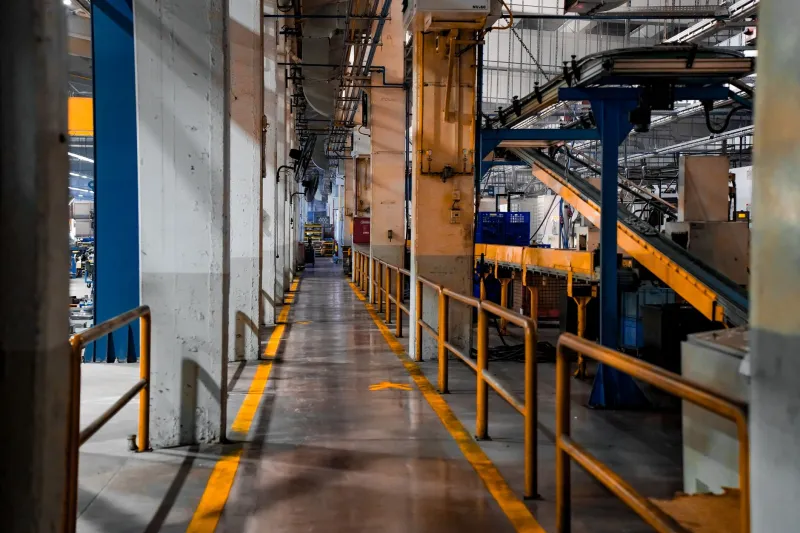
Photo: cargo theft security logistics warehouse loading dock surveillance, via wallpapercave.com
Cargo theft in the United States has rarely been a crime of pure impulse. The most costly losses tend to follow a quieter logic: a recurring pickup time, a familiar lane, a facility with a predictable dock schedule, or a shipment that looks routine because it has always been routine. Organized rings have learned to read those patterns the way a analyst reads a spreadsheet. The result is a new cargo theft economy in which the most valuable intelligence is not a facility blueprint but a shipper's calendar.
For couriers and logistics providers, this shift matters because security is often discussed at the level of locks, seals, and guards. Those controls remain necessary. But they address the moment of theft, not the conditions that made the load easy to find. A secure delivery network has to consider how routine shipping data becomes visible, how it travels beyond the shipping department, and how predictable behavior creates openings before a truck ever leaves the yard.
From Opportunity Theft to Pattern Analysis
Traditional cargo theft was often opportunistic. A trailer sat unguarded, a lock was weak, or a driver left a vehicle unattended. Those risks still exist. The more organized end of the market, however, behaves less like a street crew and more like a small intelligence operation. Rings look for repeatable signals: the same carrier arriving at the same hour, high-value goods moving under generic packaging, regular lane schedules, and handoffs that depend on a single phone call.
They also exploit the ordinary visibility of modern commerce. Shipping portals, public procurement records, facility photographs, job postings that describe logistics systems, and social media posts from employees can all reveal operational rhythm. None of those sources is a breach in the conventional sense. Together, they can tell a patient observer when a load is likely to move, where it will stop, and which handoff is least supervised.
Where Routine Shipping Leaks Intelligence
The first leak is usually scheduling. A shipper that tenders freight at the same time every Tuesday and Thursday has created a pattern that is easy to monitor. The second is packaging. High-value electronics, pharmaceuticals, and luxury goods that travel in indistinguishable cartons may avoid attention at one stage, but repeated lane activity can reveal which accounts consistently ship valuable freight. The third is handoff design. If a driver, a dock supervisor, and a receiving clerk share information informally, custody becomes difficult to reconstruct after a loss.
Publicly visible data compounds the problem. A facility address published with dock hours, a vendor page listing distribution locations, or a press release describing a new fulfillment center can help a ring map the physical network. Individually, these details are harmless. In combination, they allow a thief to compare shipping rhythms against facility routines and identify the point where security is thinnest.
Red Flags Shippers Routinely Miss
Most shippers do not ignore security on purpose. They miss signals because the signals look normal. A recurring pickup window is efficient. A familiar driver is convenient. A lane that has never suffered a loss feels safe. But routine can become a vulnerability when it is visible outside the operation.
Common red flags include high-value freight moving on lanes with no additional custody controls, seal numbers that are recorded but not independently verified, multiple handoffs without a clear chain of responsibility, and facility access lists that include former vendors or contractors. Another warning sign is the shipment that is always ready early, always loaded at the same dock, and always handled by the same small group without cross-training or rotation. Predictability is not inherently bad, but unexamined predictability is a gift to anyone watching.
Countermeasures That Change the Attacker's Math
The goal is not to make shipping chaotic. It is to make the operation less legible from the outside. Shippers can vary pickup windows within the service commitment, rotate dock assignments where practical, and limit route details to staff who need them. High-value loads can be separated from routine freight through enhanced seal controls, documented custody checks, and arrival confirmation at each handoff.
Vendor management deserves the same scrutiny. Access credentials should be reviewed on a schedule, not only when a contract ends. Facilities should control yard access and verify drivers against dispatch records. Shipping departments should avoid posting operational details that reveal lane timing or security procedures. When a loss occurs, the post-incident review should examine pattern exposure, not only the physical point of failure.
Building Pattern Resistance Into Daily Operations
Cargo theft rings succeed when they can predict. Shippers reduce exposure when they make prediction harder without making service unreliable. That requires a security culture that treats scheduling, data hygiene, vendor access, and custody documentation as connected parts of the same system. Safe Courier's view is that secure delivery begins long before the truck arrives. It begins with the assumption that routine information can become targeting information, and with the discipline to protect the routine as carefully as the exception.