Safe Courier Secure Delivery. Every Package. Every Time.

Safe Courier

Secure Delivery. Every Package. Every Time.

Latest Articles

Algorithmic Routing, Human Consequences: Why Automated Logistics Systems Are Outpacing Carrier Accountability
E-Commerce

Algorithmic Routing, Human Consequences: Why Automated Logistics Systems Are Outpacing Carrier Accountability

Logistics companies are deploying increasingly sophisticated AI-driven routing and automation systems—yet their liability frameworks remain largely unchanged from an era when human drivers made every decision. As algorithms increasingly direct how and when packages move, businesses need to ask harder questions about who is responsible when those systems fail.

Marked Delivered, Never Received: The Legal and Operational Gaps Behind Carrier Confirmation Systems
Compliance & Regulations

Marked Delivered, Never Received: The Legal and Operational Gaps Behind Carrier Confirmation Systems

A carrier's 'delivered' notification is not the same as proof of receipt—and for businesses, that distinction carries serious legal and financial consequences. This article examines how delivery confirmation systems fall short, where accountability breaks down, and what documentation standards actually hold up when disputes arise.

The Mid-Value Shipping Blind Spot: What Happens to Your $500–$4,999 Package
Business Strategy

The Mid-Value Shipping Blind Spot: What Happens to Your $500–$4,999 Package

Shipments valued between a few hundred and a few thousand dollars occupy an uncomfortable middle ground in courier service tiers—too costly to treat carelessly, yet rarely expensive enough to trigger premium handling protocols. Understanding this gray zone can mean the difference between a protected delivery and an unresolved claim.

From Cost Center to Competitive Edge: Rethinking What Shipping Insurance Does for Your Business
Business Strategy

From Cost Center to Competitive Edge: Rethinking What Shipping Insurance Does for Your Business

Most businesses treat shipping insurance as a grudging line item—a defensive expense purchased in case something goes wrong. A growing number of forward-thinking companies have discovered that comprehensive courier coverage, when positioned correctly, functions as a genuine market differentiator that attracts customers, reduces hidden operational drag, and strengthens brand credibility in ways that conventional marketing cannot replicate.

Speed Kills: Why the Fastest Delivery Route Is Often the Least Secure One
Business Strategy

Speed Kills: Why the Fastest Delivery Route Is Often the Least Secure One

When businesses prioritize delivery velocity above all else, they often expose their shipments to risks that far outweigh the benefit of arriving a few hours earlier. Understanding the operational trade-offs between speed and security is not merely an academic exercise — it is a financial imperative. This article examines the hidden costs of expedited shipping and explains when a measured, security-first approach actually serves your business better.

When the Grid Goes Dark: How Specialized Courier Networks Sustain Critical Supply Chains Under Extreme Pressure
Business Strategy

When the Grid Goes Dark: How Specialized Courier Networks Sustain Critical Supply Chains Under Extreme Pressure

When hurricanes knock out highways, pandemics shutter airports, and power failures paralyze distribution centers, most logistics networks grind to a halt. A select tier of courier operations, however, is engineered specifically for these moments — and understanding what separates them from conventional carriers reveals a great deal about the true architecture of supply chain resilience.

When the Dot Disappears: The Hidden Failures Behind Real-Time Shipment Tracking
Business Strategy

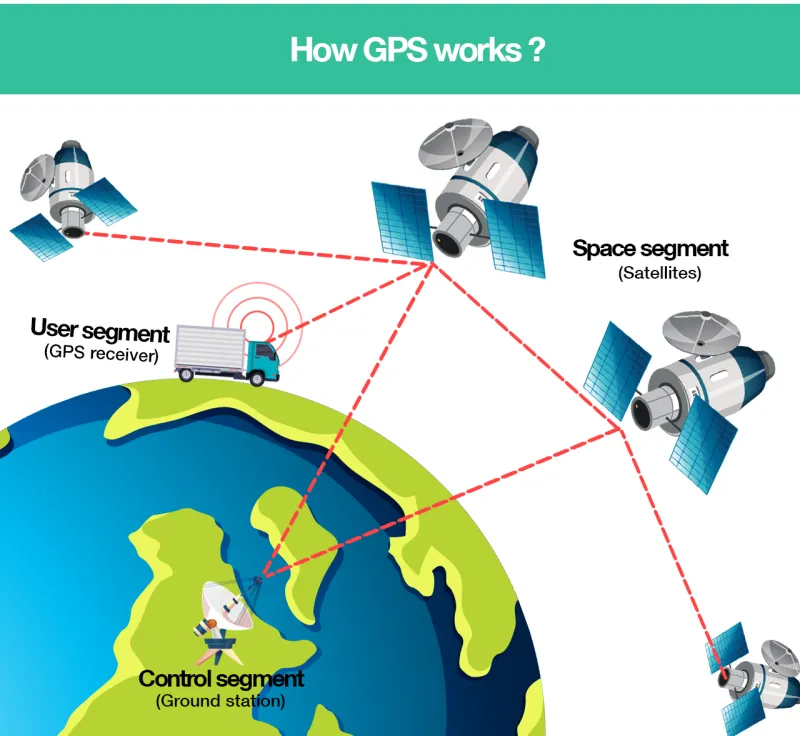
When the Dot Disappears: The Hidden Failures Behind Real-Time Shipment Tracking

Real-time tracking dashboards project an image of total visibility, but the technology underpinning them is far more fragile than most businesses realize. Network dead zones, software latency, and carrier integration breakdowns can render high-value shipments invisible at the worst possible moments. Understanding where these systems fail — and how to compensate — is now a fundamental component of sound shipping strategy.

What Your Delivery Data Is Trying to Tell You (And Why You Should Listen)
Business Strategy

What Your Delivery Data Is Trying to Tell You (And Why You Should Listen)

Tracking delivery speed and shipping costs only tells part of the story. The metrics most businesses overlook—exception rates, refusal patterns, complaint velocity—are often the earliest indicators that a courier partnership is quietly deteriorating. Learning to read these signals before a significant loss occurs is one of the most valuable strategic advantages a business can develop.

Delivered on Paper, Lost in Reality: The Hidden Vulnerability Between Carrier Notification and Confirmed Receipt
E-Commerce

Delivered on Paper, Lost in Reality: The Hidden Vulnerability Between Carrier Notification and Confirmed Receipt

A 'delivered' notification from your carrier does not guarantee your package has reached safe hands. For e-commerce businesses, the gap between a digital status update and actual customer possession is a window of risk that fuels theft claims, costly disputes, and damaged brand trust. Understanding how that gap forms—and how to close it—is essential for any business that ships.

When No One Carrier Owns the Problem: The Accountability Crisis Hiding Inside Multi-Carrier Shipping Strategies
Business Strategy

When No One Carrier Owns the Problem: The Accountability Crisis Hiding Inside Multi-Carrier Shipping Strategies

Splitting shipments across multiple carriers may appear to offer flexibility and cost savings, but it often creates dangerous gaps in accountability that leave businesses exposed when disputes arise. From overlapping insurance voids to unresolvable tracking discrepancies, fragmented shipping strategies carry hidden operational and legal costs. This article examines how businesses can identify and close these accountability gaps before they become financial liabilities.

When Handling It Yourself Costs More Than Hiring a Pro: The True Price of In-House Shipping
Business Strategy

When Handling It Yourself Costs More Than Hiring a Pro: The True Price of In-House Shipping

Many businesses assume that managing their own shipping operations saves money, but the hidden costs of in-house logistics often tell a very different story. From compliance exposure to security vulnerabilities, DIY shipping introduces risks that quietly erode profitability. This article examines the operational and financial realities that businesses face when they forgo professional courier partnerships.

Who Bears the Burden When the Final Mile Fails: Understanding Downstream Delivery Liability
Compliance & Regulations

Who Bears the Burden When the Final Mile Fails: Understanding Downstream Delivery Liability

Many businesses assume their legal exposure ends once a package leaves their facility. In reality, the final stretch of any delivery route often carries the heaviest liability burden — and courts have repeatedly held original shippers accountable for incidents they believed their courier partners had fully absorbed.

When Packages Become Evidence: How Courts Assign Blame in Courier Negligence Cases
Compliance & Regulations

When Packages Become Evidence: How Courts Assign Blame in Courier Negligence Cases

When a delivery goes wrong and litigation follows, the outcome rarely hinges on who is angrier — it hinges on who kept better records. Understanding how courts evaluate courier negligence claims can mean the difference between recovering your losses and absorbing them entirely.

Signed, Delivered, and Uninsured: What Your Courier's Policy Actually Covers
Compliance & Regulations

Signed, Delivered, and Uninsured: What Your Courier's Policy Actually Covers

Most businesses assume their courier's insurance policy provides comprehensive protection from pickup to doorstep. In reality, the fine print tells a very different story — one that leaves shippers exposed at the precise moment a claim matters most. Understanding exactly where coverage ends could save your business from a financially devastating surprise.

Assumed Protected, Actually Exposed: The Shipping Insurance Blind Spots Costing Businesses Thousands
Compliance & Regulations

Assumed Protected, Actually Exposed: The Shipping Insurance Blind Spots Costing Businesses Thousands

Most businesses operate under the assumption that standard carrier insurance shields them from significant loss when a shipment goes wrong. The reality is far more complicated—and far more costly. Understanding where carrier liability ends and genuine financial exposure begins is not optional; it is a matter of operational survival.

The Coverage Gap That Could Sink Your Business: Understanding Shipping Liability Before It's Too Late
Business Strategy

The Coverage Gap That Could Sink Your Business: Understanding Shipping Liability Before It's Too Late

Most business owners assume their existing insurance policy has them covered when a shipment goes missing or arrives damaged. The reality is far more complicated—and far more costly. Understanding the distinction between carrier liability limits, declared value coverage, and full-value protection is one of the most important risk management decisions a business can make.

When the Cold Chain Breaks: The True Cost of Inadequate Temperature-Controlled Shipping
Compliance & Regulations

When the Cold Chain Breaks: The True Cost of Inadequate Temperature-Controlled Shipping

Shipping temperature-sensitive goods—whether pharmaceuticals, specialty foods, or biological samples—demands far more than a standard courier arrangement. When the cold chain fails, businesses face product loss, regulatory penalties, and lasting damage to customer relationships. Understanding what truly separates qualified cold chain logistics from conventional shipping is no longer optional for US businesses operating in regulated industries.

A Practical State-by-State Guide to Shipping Valuables Across the United States
Compliance & Regulations

A Practical State-by-State Guide to Shipping Valuables Across the United States

Shipping high-value items across state lines in the United States involves navigating a complex web of insurance requirements, carrier regulations, and state-specific legal considerations. Whether you are moving fine jewelry, original artwork, sensitive documents, or premium electronics, understanding the rules that apply to your shipment can mean the difference between a seamless delivery and a costly legal dispute. This comprehensive guide breaks down what businesses and individuals need to kn

Beyond the Shipping Label: Why Growing E-Commerce Brands Are Choosing Dedicated Courier Partners
E-Commerce

Beyond the Shipping Label: Why Growing E-Commerce Brands Are Choosing Dedicated Courier Partners

Self-service shipping platforms gave e-commerce businesses speed and independence — but as online retail has matured, the limitations of the label-and-drop-off model have become increasingly apparent. A growing number of online retailers are discovering that a dedicated courier relationship offers something no automated platform can: accountability, white-glove service, and a genuine stake in the success of every delivery. This article explores why that shift is happening and what it means for t

What Bargain Shipping Is Really Costing Your Business
Business Strategy

What Bargain Shipping Is Really Costing Your Business

When companies choose the lowest-priced courier option available, they often invite a cascade of hidden expenses that far outweigh any upfront savings. From damaged merchandise and lost shipments to eroding customer loyalty, the true price of cheap delivery can devastate a business's bottom line. This investigative piece examines real-world cases where cutting corners on courier services proved far more costly than investing in secure, reliable delivery from the start.