The Processing Window: What Carriers Don't Show You Between Pickup and Transit
The Gap Nobody Talks About
Open any major carrier's tracking portal and you will likely see a familiar sequence: "Package picked up." Then silence. Then, hours later, "In transit to destination facility." For most consumers, that gap is invisible—an unremarkable pause before the reassuring march of scan events resumes.
For businesses shipping high-value, time-sensitive, or fragile goods, that gap is something else entirely. It is a period of 12 to 24 hours—sometimes longer—during which a package moves through one of the most physically demanding and least observed stages of its entire journey. Understanding what happens during that window is not a matter of idle curiosity. It is a prerequisite for making informed decisions about which courier partners deserve your business.
What the Scan Record Conceals
Carrier tracking systems are designed to communicate milestones, not processes. A scan event records that a package was at a specific location at a specific time. It does not record what happened to the package between scan events, how many times it was handled, what equipment it passed through, or whether it was stored in conditions appropriate to its contents.
The processing window—the period between initial pickup scan and the first in-transit scan at a regional or destination hub—typically encompasses several distinct operational phases, none of which generate customer-facing tracking data in standard carrier systems.
Collection and consolidation. After pickup, packages from multiple stops on a driver's route are consolidated in the delivery vehicle. Depending on the route's structure and volume, a package may spend anywhere from one to several hours in the vehicle before the route concludes and the vehicle returns to a local facility. During this time, the package is subject to the physical dynamics of a moving vehicle, the stacking and repositioning that occurs as other stops are completed, and ambient temperature conditions that vary with weather and vehicle type.
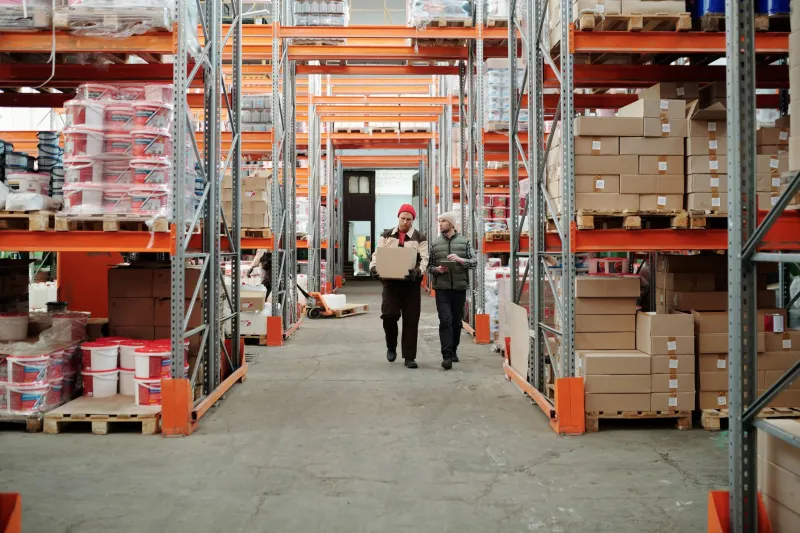
Inbound processing at the local facility. Upon arrival at the local hub, packages are unloaded, scanned into the facility's inventory system, and directed to sorting equipment. For large regional hubs, this process can take several hours. High-volume periods—the weeks surrounding major retail holidays, for instance—can extend processing time significantly and increase the probability of handling errors.
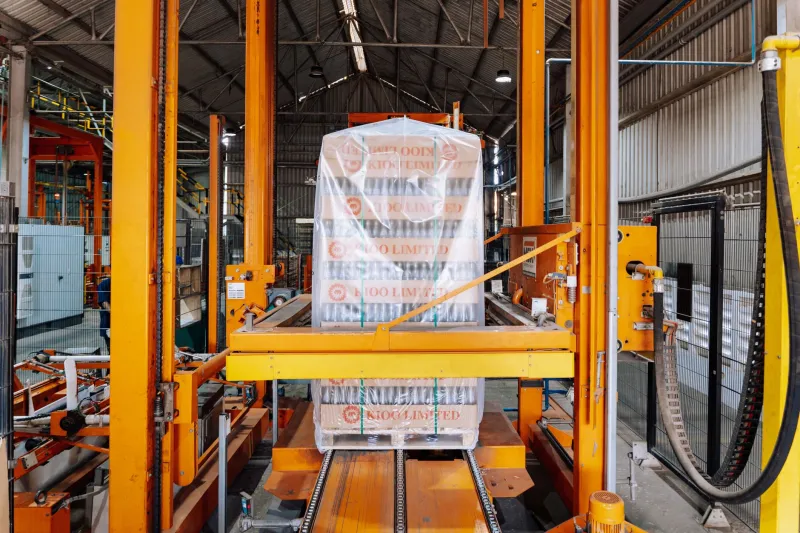
Automated sorting. Most major carriers rely on high-speed automated sorting systems to direct packages toward the appropriate outbound lanes. These systems are efficient, but they are not gentle. Packages travel along conveyor belts, drop through chutes, and are redirected by mechanical diverters—all at speeds calibrated for throughput, not fragility. Carriers publish general handling standards, but the practical application of those standards varies by facility, shift, and volume.
Consolidation for linehaul. Before packages depart for the next hub in the network, they are consolidated into larger containers or trailers for linehaul transport. This consolidation involves physical stacking and loading—another handling event with real implications for package integrity, particularly for items that are heavy, irregularly shaped, or sensitive to compression.
Why This Matters for Security and Integrity
The processing window is the stage of a shipment's journey most associated with two categories of loss: damage from mechanical handling and theft from internal diversion.
Mechanical handling damage during the processing window is underreported because it is difficult to attribute. A package that arrives at its destination with internal damage may have been damaged during loading at the origin facility, during automated sorting, during linehaul consolidation, or during any of several subsequent handling events. Without detailed scan data tied to specific handling actions, shippers have no way to identify where in the process the damage occurred—and carriers have little incentive to generate that data.
Internal theft is a more sensitive subject, but it is a documented problem within large-scale carrier networks. The processing window creates conditions that are, structurally, conducive to diversion: high volumes, rapid movement, multiple handoffs, and limited per-package oversight. High-value items—electronics, jewelry, pharmaceuticals, luxury goods—are disproportionately targeted, and the opaque period between pickup and first in-transit scan provides the largest window of opportunity.
Demanding Transparency: What Businesses Can Actually Do
The absence of processing-window visibility is not entirely immutable. Businesses with sufficient volume and negotiating leverage have several practical options for improving oversight during this critical period.
Request facility-level scan data. Some carriers offer enhanced tracking tiers that include scan events at intermediate handling points within facilities—not just entry and exit. This data is not always surfaced in standard customer-facing portals, but it may be available through API integrations or enterprise account management channels. Ask specifically whether inbound processing scans and sort confirmation events can be included in your tracking feed.
Negotiate handling specifications for high-value shipments. Enterprise shipping agreements sometimes include provisions for expedited processing, dedicated handling lanes, or manual sort overrides for designated shipment classes. These provisions add cost, but for shipments where the cost of loss or damage materially exceeds the premium, they represent a rational investment.
Consider specialized couriers for your most sensitive shipments. The processing window problem is, at its core, a function of scale. National carriers process millions of packages daily through systems optimized for throughput. Specialized or regional couriers, by contrast, move smaller volumes through tighter operational chains—often with more handling touchpoints that generate human oversight rather than automated throughput. For shipments where security and integrity are paramount, the processing economics of a specialized courier may justify a higher per-shipment cost.
Use tamper-evident packaging and condition monitoring tools. Shock indicators, temperature loggers, and tilt sensors embedded in packaging do not prevent damage or theft, but they create an evidentiary record that strengthens claims and, in some cases, deters handling misconduct. When paired with declared value coverage, these tools materially improve a shipper's position in any post-incident dispute.
Reframing What Tracking Actually Tells You
Tracking technology has advanced considerably over the past decade, and carriers invest heavily in communicating that progress to their customers. But the fundamental architecture of most carrier tracking systems remains milestone-based—designed to reassure, not to inform.
The processing window is a structural feature of large-scale logistics, not an oversight. Understanding it does not mean distrusting every courier; it means calibrating your expectations and your risk management accordingly. The couriers worth trusting are the ones willing to have an honest conversation about what happens between scan events—and to back that conversation with contractual commitments about handling standards and accountability.
For businesses where shipment integrity is non-negotiable, that conversation is worth starting before the next pickup, not after the next claim.