The Last Impression: Why Your Courier Choice Is Quietly Shaping Your Brand's Future

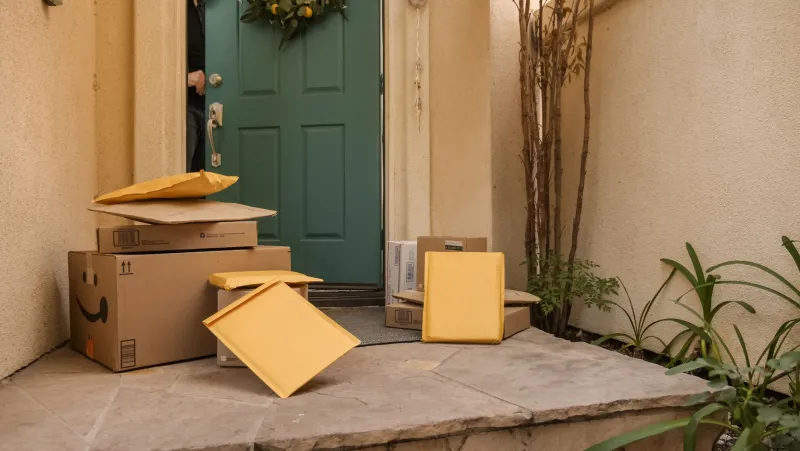
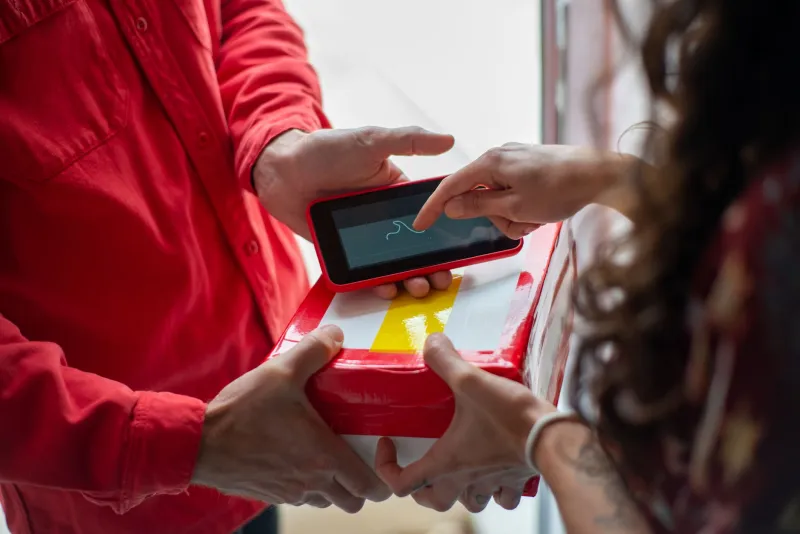
Photo: e-commerce package delivery customer unboxing brand experience, via 2.bp.blogspot.com
There is a particular kind of cognitive dissonance that runs through the early stages of building an e-commerce brand. A founder will spend eighteen months sourcing the right manufacturer, another six months refining the packaging, and tens of thousands of dollars on photography, copywriting, and customer acquisition—then spend approximately forty-five minutes selecting a shipping carrier based on whoever offered the lowest rate at checkout.
The irony is structural. The entire customer experience—every carefully chosen touchpoint from the first Instagram ad to the unboxing moment—terminates at a doorstep. And at that doorstep, the person holding the package is not a brand employee. They are a courier driver working for a company that has never heard of your brand, does not know what is in the box, and has seventeen more stops before lunch.
This is not a criticism of carriers broadly. It is an observation about misalignment—and about the very specific way that misalignment tends to cost growing brands more than they realize.
The Review Economy Does Not Distinguish Between Product and Delivery
Customers do not experience their purchase in the segmented way that operators tend to think about it. They do not write a review about the product and a separate review about the logistics. They write one review, about one experience, and that experience includes everything from the moment they clicked "buy" to the moment they held the item in their hands.
A product that arrives two days late, in a crushed box, with a torn label, is experienced as a defective product—regardless of what was inside. A five-star item delivered with care arrives as a five-star purchase. The delivery is not separate from the product. For the customer, it is the product's final chapter.
This reality has quantifiable consequences. Research consistently shows that shipping problems—late deliveries, damaged packaging, failed delivery attempts—are among the most common triggers for negative reviews and product returns. For brands operating in competitive niches on platforms like Amazon, Shopify, or Etsy, a sustained pattern of delivery-related complaints can suppress conversion rates, increase return processing costs, and erode the kind of repeat purchase behavior that underpins long-term profitability.
Customer Lifetime Value Begins at the Doorstep
The economics of e-commerce increasingly depend on customer lifetime value rather than single-transaction margins. Acquiring a new customer is expensive—industry estimates frequently place customer acquisition costs at multiples of the revenue generated by a first purchase. The business case for repeat customers is, therefore, not merely a nice-to-have. It is often the difference between a sustainable business and one that is perpetually subsidizing its own growth.
Delivery experience plays a documented role in repeat purchase decisions. Customers who receive orders reliably, on time, and in good condition are measurably more likely to purchase again. Customers who experience a delivery failure—even one that is resolved through customer service—are more likely to defect to a competitor. The math is uncomfortable for brands that have assumed the post-purchase experience is someone else's problem.
The implications extend to referrals as well. Word-of-mouth remains one of the highest-converting acquisition channels available to small and mid-size e-commerce brands. A customer who receives a beautifully packaged item delivered with care is a potential advocate. A customer who waited three extra days and found their package left in the rain is a potential warning posted in a Facebook group.
The Manufacturer Analogy
Consider how seriously most e-commerce founders take the selection of a manufacturing partner. They visit facilities, audit quality control processes, review certifications, and negotiate contracts with detailed performance clauses. They understand, intuitively, that the manufacturer's work directly determines the quality of the product they sell.
The courier relationship deserves the same analytical framework. The courier's work directly determines the condition, timeliness, and presentation of the product at the moment it matters most. Yet the selection process is typically reduced to a rate comparison and a default integration with whatever shipping plugin connects most easily to the storefront.
This disparity is not simply a matter of priorities. It reflects an inherited assumption—one that made more sense in an era when e-commerce was less competitive and customer expectations were lower—that shipping is a commodity. In today's market, where two-day delivery is a baseline expectation and unboxing content drives social media engagement, shipping is anything but undifferentiated.
What the Right Courier Partnership Actually Looks Like
For growing e-commerce brands, moving from a transactional carrier relationship to a genuine courier partnership requires asking different questions at the outset. Not merely: what is your rate per shipment? But rather: what is your damage claim rate? What are your average on-time delivery percentages by region? What happens when a delivery fails—who contacts the customer, and how quickly?
A courier partner that can answer these questions with specificity is one that has built operational systems around accountability. That accountability does not just protect individual shipments; it protects the brand that entrusted those shipments to them.
Specialized courier services also offer capabilities that generic carriers structurally cannot—dedicated account management, customized handling instructions for fragile or high-value items, real-time delivery confirmation, and consistent driver relationships in key markets. These are not luxury features for large enterprises. For a brand competing on customer experience, they are operational necessities.
The Reputation You Did Not Intend to Outsource
Every e-commerce brand that ships through a generic carrier has, in effect, outsourced a portion of its brand reputation to a third party whose incentives are not aligned with its own. The carrier is optimized for volume throughput. The brand is optimized for customer satisfaction. These objectives are not always compatible.
The transition from startup to scale is full of decisions that are easy to defer and expensive to correct later. Courier selection is one of them. The brands that recognize the delivery experience as a core brand touchpoint—and choose partners accordingly—are the ones that tend to build the kind of customer relationships that compound over time. The ones that treat shipping as a line item tend to discover, eventually, that their customers have been quietly forming opinions about them with every package that arrived late, damaged, or not at all.