Controlled Substances, Uncontrolled Risk: Why Generic Couriers Cannot Serve the Pharmaceutical Supply Chain

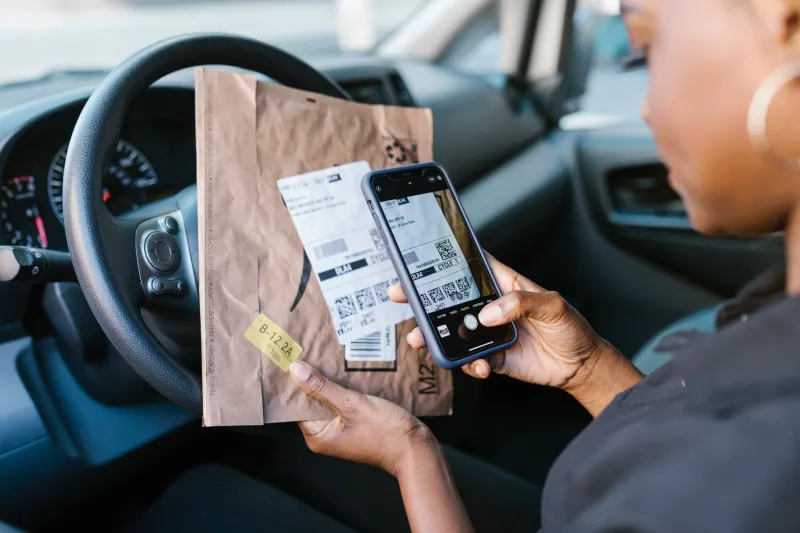
Photo: pharmaceutical prescription medication delivery courier compliance, via trippystore.com
Every day, pharmacies across the United States dispatch prescription medications through delivery channels that were never designed to handle them. The packages look ordinary. The labels reveal little. And the courier scanning them at the door has almost certainly received no training in the federal regulations governing what is inside. For facilities handling Schedule II through Schedule V controlled substances, this is not merely an operational oversight—it is a compliance crisis waiting to be triggered.
The Drug Enforcement Administration does not treat pharmaceutical logistics as a peripheral concern. Its regulations are specific, its enforcement is active, and its penalties are substantial. Yet the gap between what the law requires and what generic courier services actually provide has widened considerably as e-commerce-era delivery infrastructure has expanded to absorb more and more of the healthcare shipping market.
What the DEA Actually Requires
Under the Controlled Substances Act and its implementing regulations at 21 C.F.R. Part 1301, entities that handle controlled substances—including those involved in their transport—must meet strict registration, documentation, and security requirements. A courier transporting Schedule II narcotics is not simply moving a parcel; it is participating in a regulated chain of custody that must be fully documented and auditable.
Specifically, the DEA requires that any transfer of a controlled substance between registrants be accompanied by proper order forms (DEA Form 222 for Schedule I and II substances) or electronic equivalents through the Controlled Substance Ordering System (CSOS). Couriers serving as agents of the dispensing pharmacy or distributor must handle these documents with precision—any gap in the paper trail creates potential liability for everyone in the chain.
Beyond documentation, the regulations address physical security during transit. Controlled substances must be transported in a manner that minimizes the risk of diversion. This encompasses vehicle security standards, driver vetting procedures, and protocols for what happens when a delivery cannot be completed. Standard courier services—built around volume throughput and residential drop-offs—are structurally incompatible with these requirements.
Where Generic Couriers Fall Short
The failure points are not subtle. Consider the chain-of-custody requirement. When a specialized pharmaceutical courier delivers a controlled substance, the recipient's identity must be verified, the delivery must be logged with specificity, and a signature must be obtained from an authorized individual—not simply the first available adult at the address. Generic carriers frequently lack the training, documentation systems, or contractual accountability to fulfill these obligations consistently.
Driver background checks represent another structural gap. The DEA expects that personnel handling controlled substances have undergone thorough screening. Many national carrier networks rely on independent contractors or subcontracted last-mile providers whose vetting processes vary widely. A pharmacy that assumes its carrier has performed adequate background screening—without verifying it contractually—may find itself exposed in a DEA audit.
Temperature sensitivity compounds the problem further. Many pharmaceutical products, including certain controlled substances, require cold-chain handling. When a generic courier fails to maintain appropriate temperature conditions, the pharmacy faces not only a product loss but a potential regulatory violation if the compromised medication is administered or dispensed.
Documented Consequences: When the System Breaks Down
The regulatory consequences for pharmaceutical supply chain failures are not hypothetical. The DEA has pursued enforcement actions against pharmacies and distributors whose delivery practices created diversion risks or documentation deficiencies. In several documented cases, pharmacies have faced civil monetary penalties exceeding six figures, mandatory compliance programs, and, in the most serious instances, suspension of DEA registration—effectively shutting down their ability to dispense controlled substances.
Beyond federal enforcement, state boards of pharmacy maintain their own oversight authority. A single documented failure in a delivery chain—an unverified recipient, a missing signature, a temperature excursion—can trigger a state-level investigation that runs parallel to any federal inquiry. The compounding effect of dual regulatory scrutiny can be operationally devastating.
Liability also extends to the receiving end. Hospitals, long-term care facilities, and specialty clinics that accept controlled substance deliveries have their own documentation obligations. When a generic courier delivers without proper chain-of-custody documentation, the receiving facility may be left holding an incomplete record that creates its own compliance exposure.
What Specialized Pharmaceutical Couriers Provide
The distinction between a specialized pharmaceutical courier and a generic delivery service is not merely a matter of branding. It reflects substantively different operational capabilities built specifically for regulated industries.
Specialized couriers maintain DEA-compliant documentation systems that generate real-time chain-of-custody records. Their drivers are trained in controlled substance handling protocols, including proper recipient verification, refusal-of-delivery procedures, and incident reporting requirements. Their vehicles meet security standards appropriate for high-value, regulated cargo. And their contractual frameworks explicitly address the regulatory obligations that generic carrier agreements routinely exclude.
For pharmacies, the practical benefit is twofold. First, compliance risk is materially reduced when the courier is itself a knowledgeable participant in the regulatory framework—not a passive transporter unaware of what it is carrying. Second, the documentation produced by a specialized courier is audit-ready, meaning that when a regulatory inquiry arises, the pharmacy can produce complete records without reconstructing a fragmented paper trail from multiple sources.
The Cost of Convenience
Many pharmacies default to generic couriers because they are familiar, widely available, and, on a per-shipment basis, inexpensive. This calculation rarely accounts for the full cost of regulatory exposure. A single DEA enforcement action—even one that results in a civil settlement rather than registration suspension—can cost a pharmacy far more than years of premium service from a compliant courier partner.
The convenience argument also tends to overlook the reputational dimension. Pharmacies that experience diversion events or documented delivery failures face scrutiny not only from regulators but from the healthcare systems and payer networks they serve. In an industry where trust is foundational, a compliance failure tied to logistics is not easily explained away.
The pharmaceutical supply chain is one of the most heavily regulated environments in American commerce for a reason. The stakes—patient safety, public health, controlled substance diversion—justify the regulatory architecture that governs it. Couriers operating within that chain must be equipped to meet its demands. Generic delivery services, however capable in other contexts, are not that courier.