When the Dot Disappears: The Hidden Failures Behind Real-Time Shipment Tracking
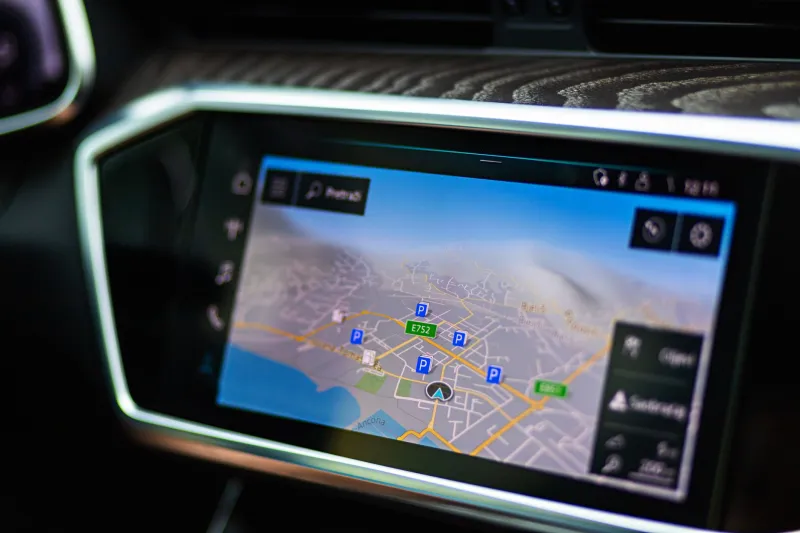
There is a particular kind of confidence that comes from watching a shipment marker move across a digital map. For logistics managers and business owners alike, that small animated icon represents control — the reassuring sense that a package is exactly where it should be, progressing exactly as planned. That confidence, however, is frequently misplaced.
Real-time tracking is one of the most heavily marketed features in modern courier and logistics services. Yet the technology behind it is riddled with structural weaknesses that most businesses never examine until something goes wrong. For companies shipping high-value goods, sensitive documents, or time-critical freight, those weaknesses are not minor inconveniences. They are operational vulnerabilities with measurable financial consequences.
The Illusion of Continuous Visibility
The term "real-time tracking" implies a continuous, unbroken stream of location data. In practice, what most systems deliver is something closer to periodic snapshots — GPS pings transmitted at intervals that can range from a few seconds to several minutes, depending on the carrier, the device, and the network conditions at any given moment.
Between those intervals, a shipment is effectively invisible. Under normal circumstances, that gap is inconsequential. But when a vehicle breaks down on a rural highway, when a package is transferred to an unauthorized vehicle, or when a driver deviates from an established route, those intervals become windows of exposure. By the time the next data point registers an anomaly, the situation may already be beyond recovery.
This is not a theoretical concern. Cargo theft in the United States remains a persistent and costly problem, with the FreightWatch International annual report consistently identifying the Southwest and Southeast as high-risk corridors. Sophisticated theft operations are well aware of how tracking systems work — and how to exploit the gaps within them.
Where the Technology Actually Breaks Down
Tracking failures tend to cluster around three distinct failure points, each with its own set of causes and consequences.
Network dead zones are the most widely understood problem, though their scope is often underestimated. Rural stretches of interstate highway, mountain passes, and even certain urban freight corridors with dense infrastructure can produce extended periods of signal loss. In states like Montana, Wyoming, and parts of the rural South, a delivery vehicle can travel for thirty minutes or more with no viable cellular or GPS signal. During that time, the tracking dashboard shows the last known position — a static marker that conveys no useful information about what is actually happening.
Software latency and platform synchronization delays represent a less visible but equally consequential issue. Many businesses rely on third-party logistics platforms that aggregate data from multiple carriers through API connections. Those connections introduce delays. A status update that a carrier generates at 2:14 p.m. may not appear on a shipper's dashboard until 2:22 p.m. or later. In high-value or time-sensitive contexts, eight minutes is not a rounding error. It is the difference between intercepting a problem and writing a loss report.
Carrier integration failures are perhaps the least discussed category, yet they may be the most dangerous. When shipments move across multiple carriers — a common occurrence in last-mile delivery networks — the tracking data must transfer between systems. Those handoffs are prone to data loss, formatting errors, and outright gaps. A package that scans cleanly at a regional hub may disappear from visibility entirely during a transfer to a local delivery partner whose system does not communicate effectively with the originating carrier's platform.
The Business Cost of Misplaced Confidence
The financial exposure created by these failures extends well beyond the value of any individual shipment. When a business operates under the assumption that its tracking system provides complete visibility, it tends not to invest in supplementary oversight mechanisms. Alerts go unconfigured. Escalation protocols go unwritten. And when a shipment genuinely goes off course, the response is reactive rather than preventive.
For e-commerce businesses, the downstream effects compound quickly. Customers expect delivery windows to be honored. When a high-value item is delayed, damaged, or lost during a period of tracking invisibility, the business absorbs not only the direct financial loss but also the reputational cost of a failed customer experience — one that the tracking system, in theory, should have allowed them to prevent.
Building a More Reliable Visibility Framework
Addressing these vulnerabilities does not require abandoning tracking technology. It requires treating that technology as one layer in a broader verification architecture rather than as a self-contained solution.
Establish checkpoint-based confirmation protocols. Rather than relying exclusively on automated GPS data, designate specific geographic waypoints — a regional distribution center, a state border crossing, a scheduled rest stop — where drivers or facility personnel are required to provide active confirmation of shipment status. This creates a human layer of verification that functions independently of network conditions.
Configure exception-based alerts with meaningful thresholds. Most tracking platforms allow users to set alerts for delays beyond a specified time window. The default thresholds on these systems are often too generous for high-value freight. Calibrate your alert parameters to reflect the actual risk tolerance of the shipment in question, not the platform's generic settings.
Audit carrier integration points before committing to a logistics chain. Before routing a high-value shipment through a multi-carrier network, verify that tracking data transfers cleanly between each carrier's system. Request documentation of API connectivity and ask specifically about known latency issues or historical data loss rates at integration points.
Maintain parallel communication channels with your courier. Automated tracking is a convenience tool. For shipments that genuinely cannot afford to go missing, it should be supplemented by direct, scheduled communication with the carrier's operations team. A brief confirmation call at key transit milestones costs very little and provides a level of accountability that no software dashboard can replicate.
Evaluate carriers on transparency, not just feature sets. A carrier that proactively communicates tracking failures — acknowledging dead zones, flagging integration delays, and providing honest assessments of visibility limitations — is a more reliable partner than one that markets its platform as seamless without disclosing its limitations. Ask prospective carriers directly: where does your tracking system lose visibility, and what is your protocol when it does?
Visibility as a Risk Management Discipline
The businesses most exposed to tracking failures are not those using the worst technology. They are those placing the most uncritical trust in the technology they have. A sophisticated platform with a compelling interface can create a false sense of security that actually increases risk by discouraging the supplementary oversight that would catch problems the system misses.
True shipment security is not a function of how good a tracking dashboard looks. It is a function of how thoroughly a business has accounted for the moments when that dashboard goes dark — and what it has put in place to ensure that darkness does not become a loss.
At Safe Courier, our approach to shipment visibility is built on the understanding that technology augments human accountability; it does not replace it. Every high-value shipment we handle is supported by layered verification protocols designed to maintain meaningful oversight even when automated systems fall short. Because when it comes to secure delivery, the moments that matter most are precisely the ones that automated systems are least equipped to handle alone.